Industries

Injection moulds for automotive, household goods, electronics and technical components.

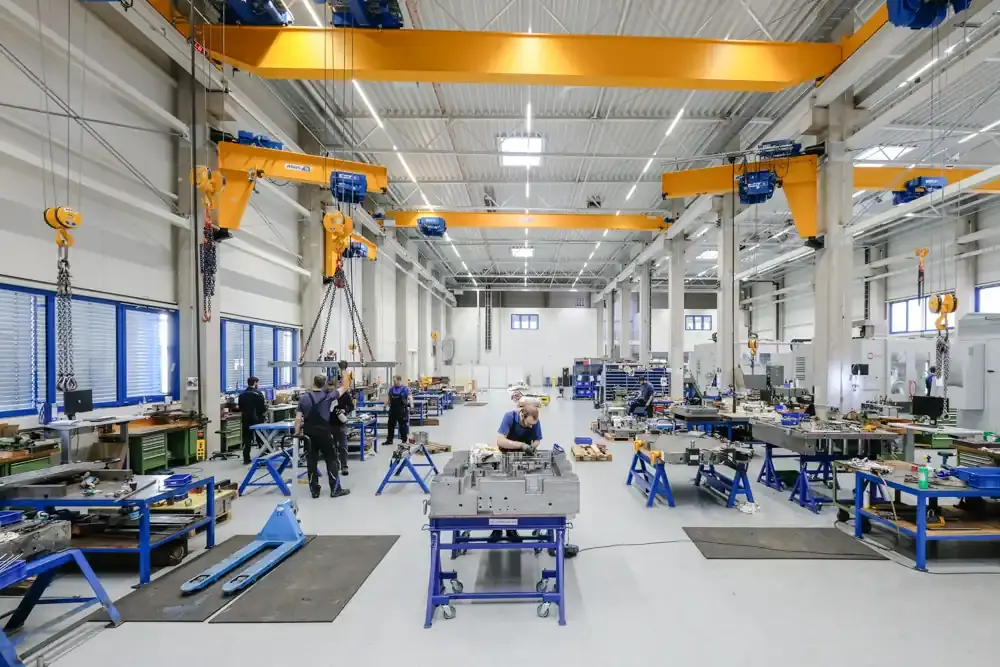
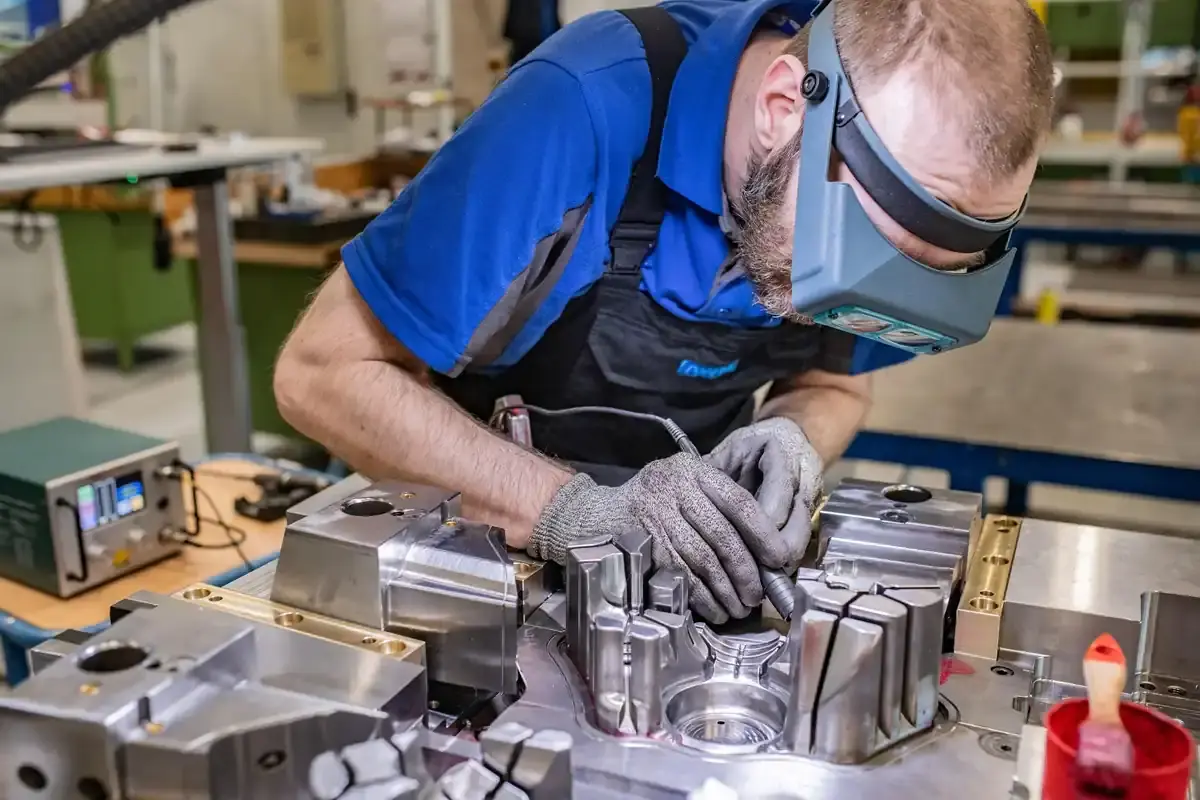
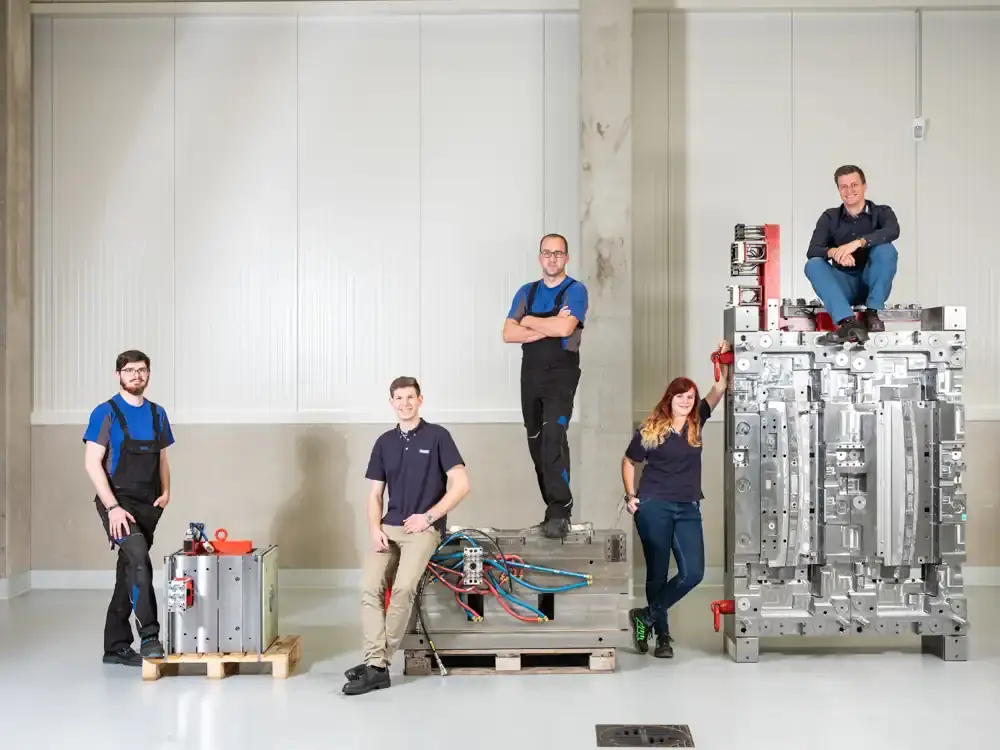
Your project is unique – and so are our moulds. As your full-service partner for injection mould engineering, we assist you throughout the entire development process: from the initial product concept and design to manufacturing and series readiness. We offer precision and expertise with moulds up to 20 tonnes.
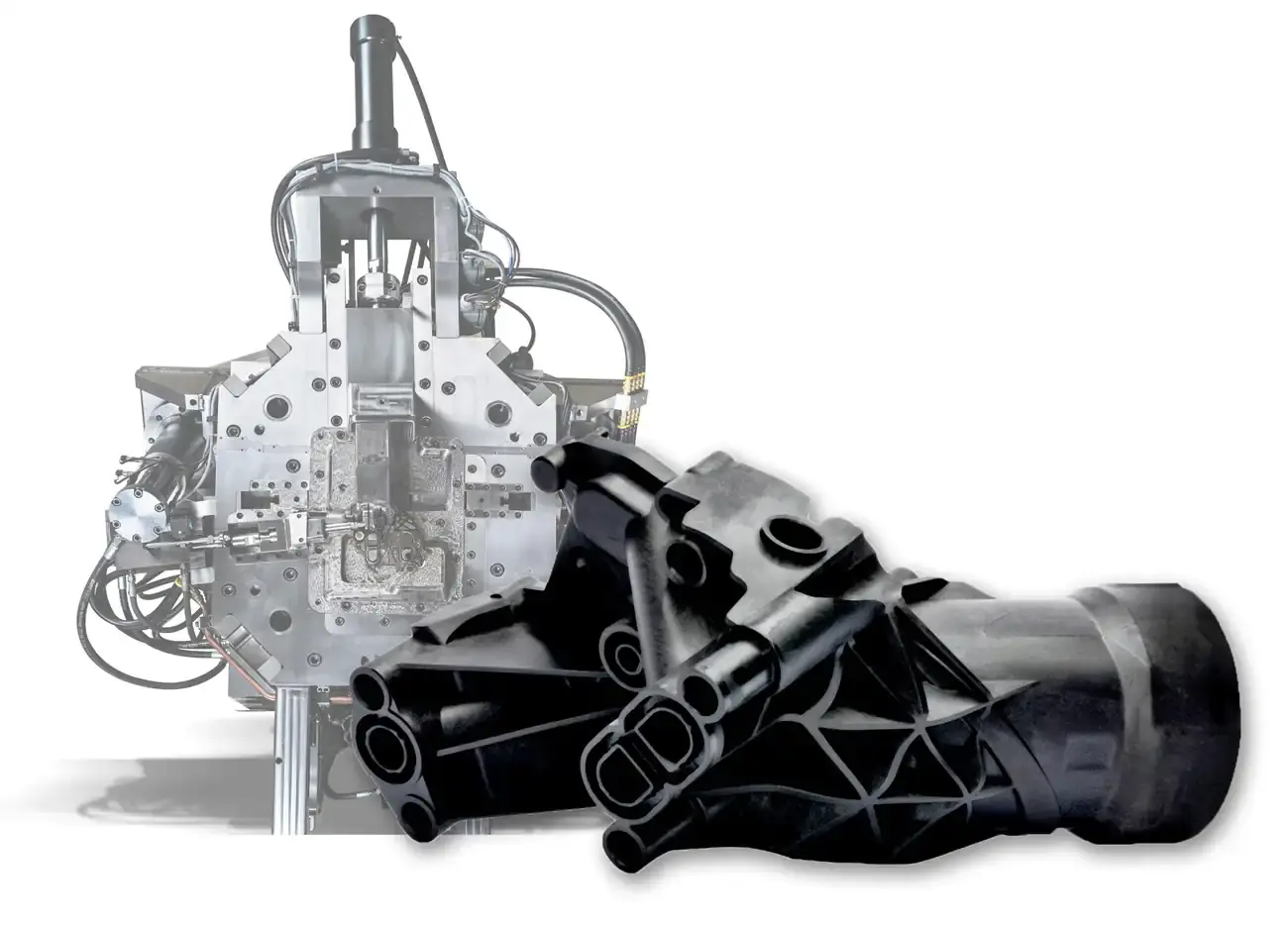
Injection mould engineering

Design and manufacture of custom injection moulds for the strictest quality requirements

Icon Werkzeugbau_1

Injection mould engineering

We produce complex multi-component injection moulds up to 20 t – at AWM’s in-house mould manufacturing facilities or internationally.

Our focus is on 2K moulds for challenging applications such as turning and rotating units, gate valve technology, reverse injection moulding as well as high-quality design parts, visible parts or complex technical modules such as insert components.
 

Assistance with imported moulds

Reliable support for your imported moulds – from manufacture to on-site production in your facilities

Icon Betreuung_1

Assistance with imported moulds

We supervise the entire process for creating new moulds in other countries.

For imported moulds that are manufactured internationally, we also offer technical support directly in Germany: from adjustments or optimisations all the way to series production support. In this way, we ensure that your moulds are functional and ready for series production – reliably and regardless of the location.
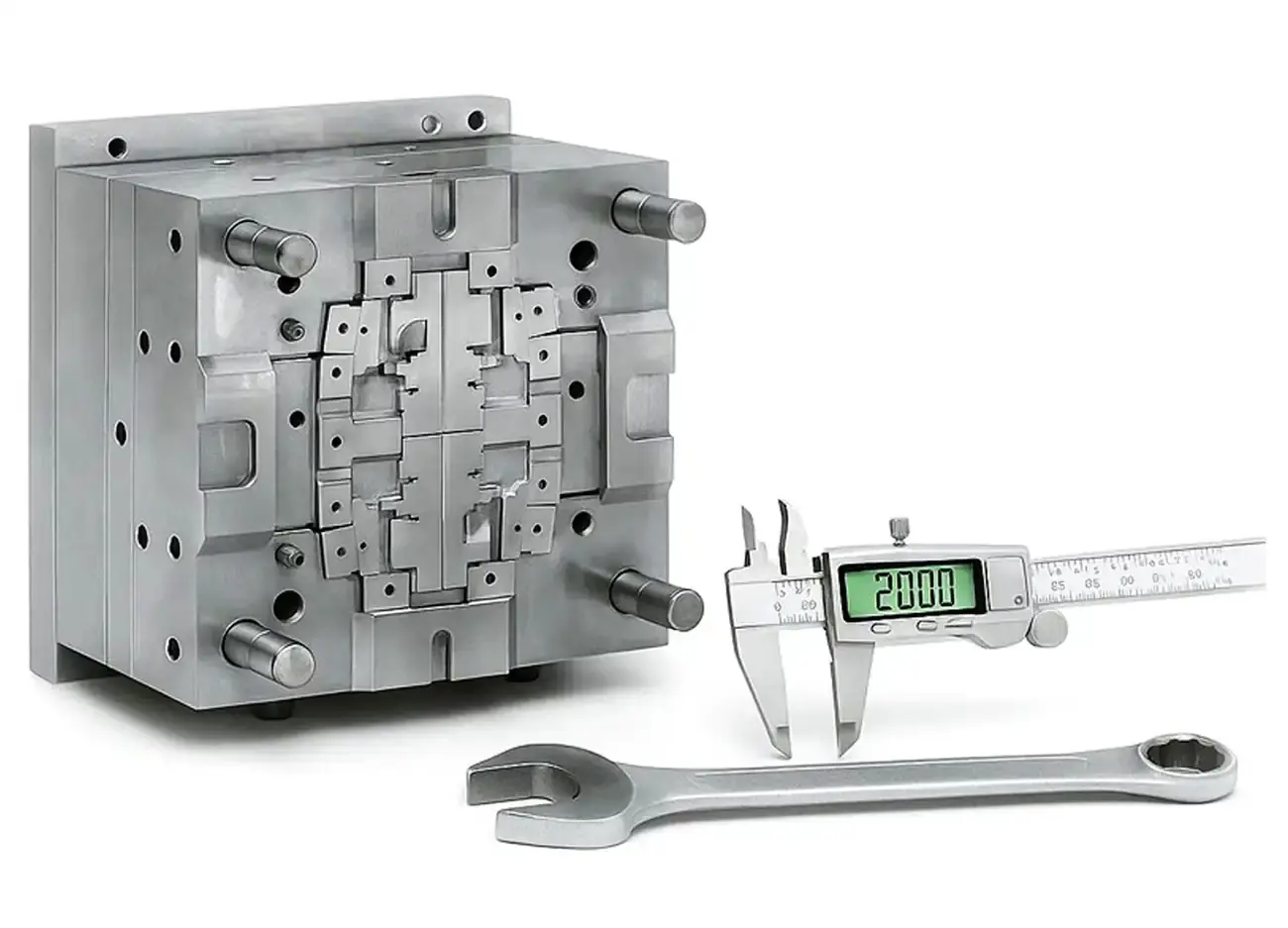
 

Service/maintenance/refitting

Our services safeguard the long-term availability and precision of your moulds

Icon Service

Service/maintenance/refitting

We take care of professional maintenance, repair and conditioning for your moulds. This ensures process stability, extends their service life and prevents unplanned downtimes.
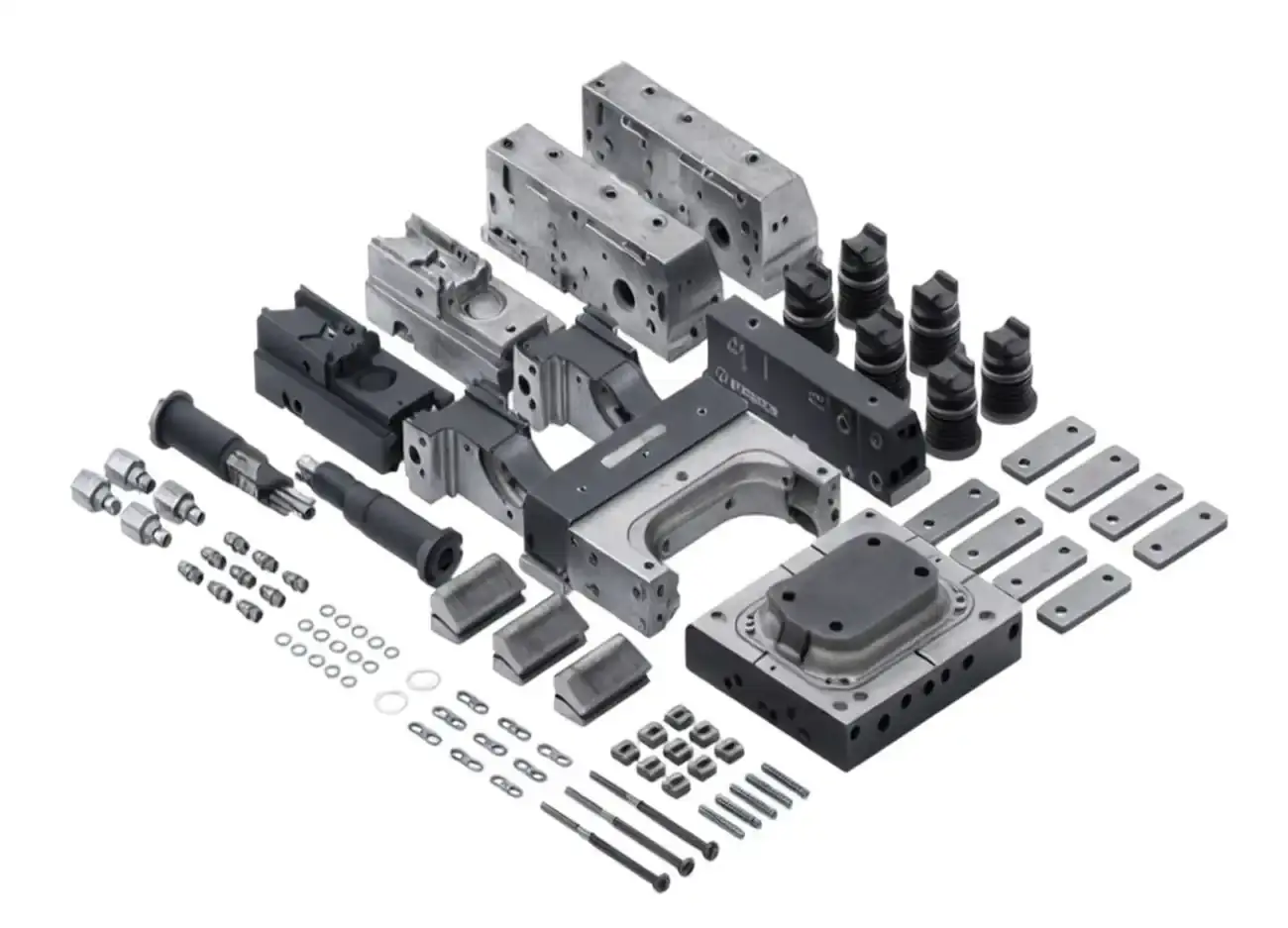
Replacement part manufacture

Our manufacturing process ensures rapid reaction times and optimal accuracy of fit

Icon spare parts production

Replacement part manufacturing

Strategic replacement parts planning allows you to prevent damages and production disruptions from the start. We manufacture custom replacement parts and wearing parts for your projects, relying on modern CNC technologies and quality-assured processes.
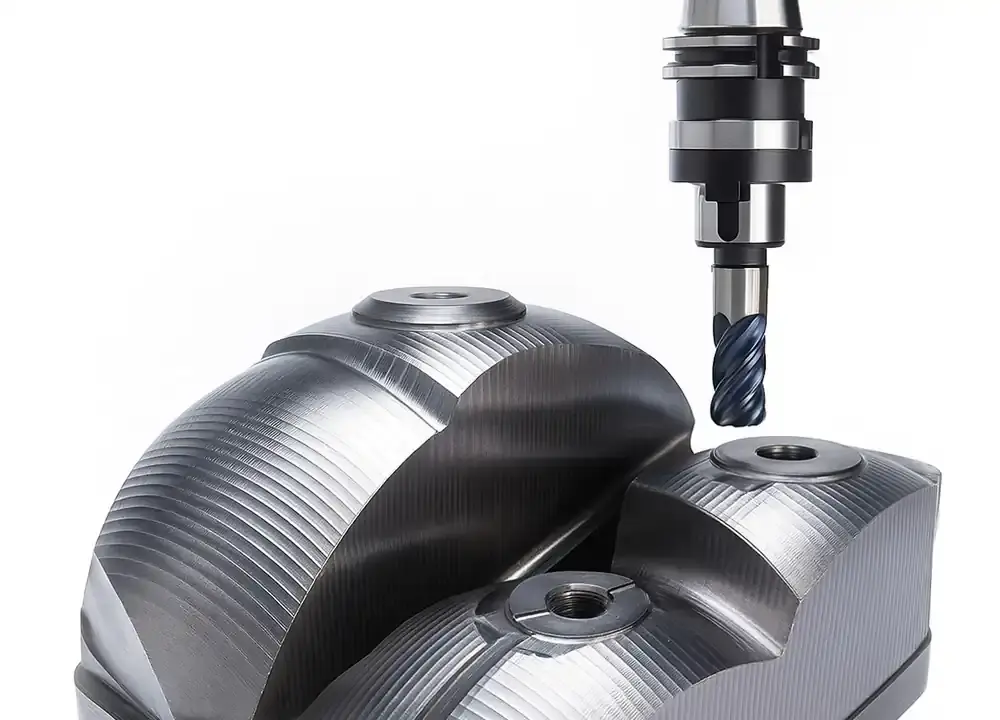
 

Mould adjustments

We adjust existing moulds reliably and precisely

Icon tool adaptations

Mould adjustments

Using strategic modifications and extensions, we adapt your moulds to modified functional, geometrical or process-related requirements with precision and efficiency..
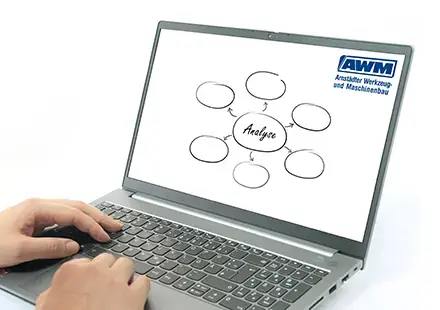
 

Technical advice

Project management with AWM means full service engineering. Comprehensive support for your injection mould

Icon technical consulting

Technical advice

We support you in all phases, from component development to choosing a mould concept all the way to analysis and resolution of current mould problems. Our focus is cause analysis, practical optimisation and finding cost-effective, secure solutions.

Our expertise extends from development and design to precise manufacture and final acceptance inspection of complex moulds. We rely on state-of-the-art technology, thorough know-how and the utmost care to achieve solutions that are precisely tailored to your requirements. Quality, efficiency and durability are always the top priority.

Design and construction of injection moulds up to a weight of 20 tonnes

Latch conveyor

Latch conveyors are mechanical elements that are inserted into injection moulds as a way to control the movement of multiple separation levels when opening the mould. They enable synchronised or delayed opening of separation levels, which is necessary for complex geometries or undercuts in particular. Thanks to their low moving mass, they open and close rapidly, which also makes them suitable for high-speed moulds.

Slider technology

Sliders are a core element in mould engineering, used when demoulding complex plastic components. ​ ​

Complex product geometries:​

We implement slider solutions to ensure reliable demoulding even for complex components. We have successfully implemented multiple slider-in-slider concepts to handle particularly challenging geometries.

Multi-component moulds:​

Other applications include gate valves or rotary slide valves in multi-component injection moulds. These valves separate individual cavities or areas from one another and ensure that the different materials in the workflow are processed exactly at the intended points. This makes it possible to manufacture high-quality 2K and multi-component products with high dimensional stability and functional security.

Turning/offsetting technology

This technology involves shifting the substrate into a second cavity after the first injection process – either using integrated offset sliders or external handling systems. Overmoulding with the second component is carried out there.​

The advantages for you: optimal flexibility in mould design and the option of reliably manufacturing multi-component products even with challenging geometries or material combinations.

Index plates

When manufacturing 2K plastic products, the index plate mould is a particularly efficient solution. During this process, the first component is injected into the mould and then transported into the next cavity by a rotating index plate. The second injection process is carried out in the same mould.​

This has multiple advantages for you: The substrate does not need to be removed or repositioned, which cuts back on handling times and increases process reliability. At the same time, precise alignment of the index plate ensures an exact fit and consistently high quality, even for challenging components and complex geometries.​

This results in high-quality multi-component products with a sophisticated look and optimal function: cost-effective, reliable and precisely tailored to your project.

Spindle extraction

Internal or external threads pose a particular challenge in injection moulding: Simple ejection would damage the component or make the thread unusable. One clean solution is spindle extraction.​

This involves rotating the thread out of the product precisely after injection moulding. Using mechanical or motorised drives, the spindle retracts in a controlled manner and gently releases the component. This results in plastic components with precise, functional threads that do not require any follow-up work.

Drop core

Internal contours or undercuts – such as internal threads or circumferential geometries – often make it more difficult to demould a plastic product. In such cases, drop cores (also known as collapsing or collapsible cores) are an ideal solution.​

The moving core segments retract before ejection and release the undercut. This allows the component to be removed from the mould cleanly, reliably and without damage, even for challenging geometries.

Conformal cooling

In modern injection moulds, cooling can be the key to increasing efficiency and improving quality. Our conformal cooling solutions introduce the tempering channels as close as possible to the mould contour, dissipating heat right where it is produced. This reduces hotspots and ensures a more uniform temperature distribution.

Your advantages at a glance​:

  • Considerably shorter cooling times – more parts per hour​
  • Reduced delay, better dimensional stability and surfaces​
  • More homogeneous mould temperatures – more stable processes

Custom solutions

Every plastic component is unique – and sometimes a single standard technology is not enough to meet all the requirements. We work together with you to develop custom concepts.​

Our team analyses your requirements, ensures feasibility and drafts an optimal solution: in this way, you receive a mould that is precisely tailored to your project, guaranteeing top quality, function and efficiency.

Single-component injection moulds

1K injection moulding allows for a highly versatile range of manufacturing, from simple standard parts all the way to complex components with the strictest requirements. At AWM, we develop the right mould concept for each product based on the precise function, material and design.​

Thanks to years of experience and numerous challenges that we have successfully resolved, we know exactly what it takes: precise design, reliable process management and consistently high quality. We ensure that your products are manufactured in a reliable, efficient and cost-effective process.

Multi-component injection moulds

AWM offers years of experience and extensive know-how in the development of multi-component moulds. We develop the perfect concept for your product, regardless of whether the priority is functionality, design or complex material combinations.

The advantages for you:​

  • Custom solutions – precisely tailored moulds for every product.​
  • Maximum precision – optimal manufacturing quality for complex components.​
  • Experience that counts – decades of expertise in design and process management.​
  • Design flexibility – the perfect combination of function and look.

Family moulds

Family moulds using injection moulding are an efficient solution for manufacturing complex components in a single production step. In contrast to multi-cavity moulds which produce a large quantity of identical parts, family moulds enable simultaneous manufacturing of different components. This technology is particularly advantageous if multiple components for one project need to be manufactured simultaneously: for example, modules with multiple components.

Back injection moulds

If your plastic component requires additional functions or decorative elements, back injection is an ideal solution. This method involves inserting a decorative material – such as film, textile or metal film – into the injection mould and then overmoulding it with plastic. Mechanical engineering expertise​.

This technology makes it possible to manufacture components with integrated surface structures that fulfil both functional and aesthetic requirements. They are particularly suited for applications in the automotive industry, electronics or household appliances where design and functionality are equally important.

Insert components

Sometimes, a plastic component depends on other components that are integrated previously – for example aluminium bushings, copper plugs or other functional elements. These insert components can be placed right in the mould and overmoulded during the injection moulding process.​

This allows us to combine the properties of plastic and metal into a single, precise component. We develop the right solution and reliably integrate your insert components into the injection moulding process, regardless of whether the priority is electrical conductivity, wear protection or mechanical stability.

High-temperature injection moulds

Certain plastics such as PEEK, PSU or other high-performance thermoplastics require particularly high mould temperatures for injection moulding. To ensure that your products can be manufactured precisely and reliably under these conditions, we design and construct special high-temperature moulds.​

In this context, we consider not only the high thermal stress but also the required safety and insulation standards. In this way, we ensure that your mould will operate reliably and last a long time, even under extreme conditions.

Service

Optimal performance starts with a mould that works perfectly. That’s where our Tool Service comes in. Whether preventive maintenance, targeted refitting or acute repairs: We ensure that your tools remain operational on the long term and deliver consistently high quality.

Here you have an overview of our services:
Link

Our mould for your project

Your project is unique – and so are our moulds. Regardless of what requirements you have for your component, we develop and manufacture the right injection mould for you: precise, reliable and perfectly coordinated for your processes.

Design and construction of injection moulds up to a weight of 20 tonnes

  • Moulds for high gloss and design components
  • Moulds for technical components
  • Multi-component moulds (transfer, rotating, gate valve and offset technology as well as index plate moulds)
  • Stack moulds
  • Monosandwich moulds
  • Tools for film back injection technique
  • Overmoulding of insert components


5-Achs-Fräsmaschinen
  • Drehtischdurchmesser bis 1.350mm
  • Verfahrwege bis 2.500x3.500x1.500mm
  • HSC-Spindel bis 18.000 U/min

3- Achs-Fräsmaschinen

  • HSC-Spindel bis 40.000 U/min Tieflochbohr –und Fräszentrum
  • 1.200x1.000x1.000mm Fräsen
  • 1.000x1.100x1.600mm Tieflochbohren

Elektrodenfertigung:

5-Achs mit Automatisierung und 3-Achs-Fräsmaschine

  • Verfahrwege bis 650x550x400mm


  Auszug Maschinenübersicht

  Verfahrweg in mm

  • FOOKE Kompakt-Portalfräsmaschine ENDURA 915 LINEAR

   2.500x3.500x1.500

  • Bearbeitungszentrum HERMLE C 32 U mit HS flex

   650x650x500

  • Bearbeitungszentrum HERMLE C 60

   1.200x1.300x900

  • Bearbeitungszentrum HERMLE C 40

  850x700x500

  • Tiefbohr-Fräszentrum SAMAG TFZ 3-1500

  2.00x1250x1250

  Tiefbohren bis 1.500x1.250x1.250mm


  • maximaler Verfahrweg 800x550x520mm
  • maximale Plattengröße 1.500x750mm
  • AGIECUT Progress 3 mit angetriebener Achse


  Maschinenübersicht

  Verfahrweg in mm

  • AGIECUT Progress 3 mit angetriebener Achse

   500x350x426

  • AGIECUT Progress VP 4

   800x550x520

  • Startlochbohrmaschine Serie APos 600 CNC

   600x400x350


  • maximaler Verfahrweg 1.200x750x500mm
  • maximale Bauteilgröße 1.550x1.250x402mm und 1,6t


  Maschinenübersicht   Verfahrweg in mm
  • Exeron EDM 305
  1.256x605x402
  • Exeron EDM 313
  645x520x400
  • Exeron S 314 MF
  900x700x450
  • Exeron EDM 312
  450x300x350
  • Exeron S 310 MF
363x277x275


  • CNC-Drehmaschine bis Ø450x1.000mm
  • konventionelle Drehmaschine bis Ø520x2.000mm
  • Bearbeitung verschiedenster Stähle bis max. 60 HRC


  Maschinenübersicht   Verfahrweg in mm
  • CTX 400 Serie 2 CNC- Drehmaschine
  Ø225x460
  • Weiler E40 Präzisions-Drehmaschine
  Ø450x1.000
  • N.E.F.520/SW Zyklen- Drehmaschine
  Ø520x750


  • Verfahrweg: bis 1.200 x 600 mm
  • Bearbeitung verschiedener Vergü­tungs­stäh­le bis max. 58-62 HRC
  • Bearbeitung von Winkeln oder Schrägen über Sinustisch möglich


  Maschinenübersicht   Verfahrweg in mm
  • Ziersch Flachschleifmaschinen ZT 612
  1.200x600x400
  • Ziersch Flachschleifmaschine Z 48
  800x500x450
  • Profitline 62 NC Superplus Ziersch & Baltrusch
  600x270x250
  • Flach- und Profilschleifmaschine PROFITLINE ZB 63 LC
  600x300x250


  • Nd:YAG-La­serschweißanla­ge
  • gängige Stahlsorten bis 60 HRC schweißbar
  • bis zu Werkstückgrößen von 300x250mm


  Maschinenübersicht

  Aufspanngröße in mm

  • TUS 90

  1.200x900

  • TUS 130

  1.200x1.300

  • TUS 160

  1.600x2.000


  • optische und taktile Vermessung
  • Erstellung von Erstmuster-Prüfberichten
  • Vergleichsmessungen zwischen CAD und Werkzeug


  Maschinenübersicht

  Aufspannfläche in mm

  • 3D- Koordinatenmessmaschine Mitutoyo BH 715
  700x1.500x600
  • Zeiss Contura G2 7/10/6
  700x1.000x600
  • Wenzel LH 106680
  800x1.500x700
  • Einstell- und Messgerät Venturion 450 Zoller GmbH & Co KG
 
  • Videomikroskop SmartScope Flash 200OGP


Konstruktionssoftware
  • VISI-CAD
  • Inventor

Programmiersoftware

  • VISI-CAM
  • DCAM

Datenschnittstellen

  • STEP
  • STL
  • IGES
  • VDA-FS
  • DWG
  • DXF
  • Parasolid
  • WORKNC
  • Pro-ENGINEER


Laden Sie hier unsere vollständige Maschinenliste herunter:


Link zur Maschienliste

HIgh-tech Made in Germany.

Made by AWM.

AWM, your expert partner

We assist you during all phases of product creation, From the initial idea to the finished mould. Relying on the latest design and manufacturing technologies, thorough expertise and structured project management, we ensure efficient processes and precise results: even for complex geometries, challenging components and mould weights up to 20 tonnes. We also offer you comprehensive all-around service as a complete partner: Maintenance, repair, adjustment, replacement parts and technical support all from a single source.

References
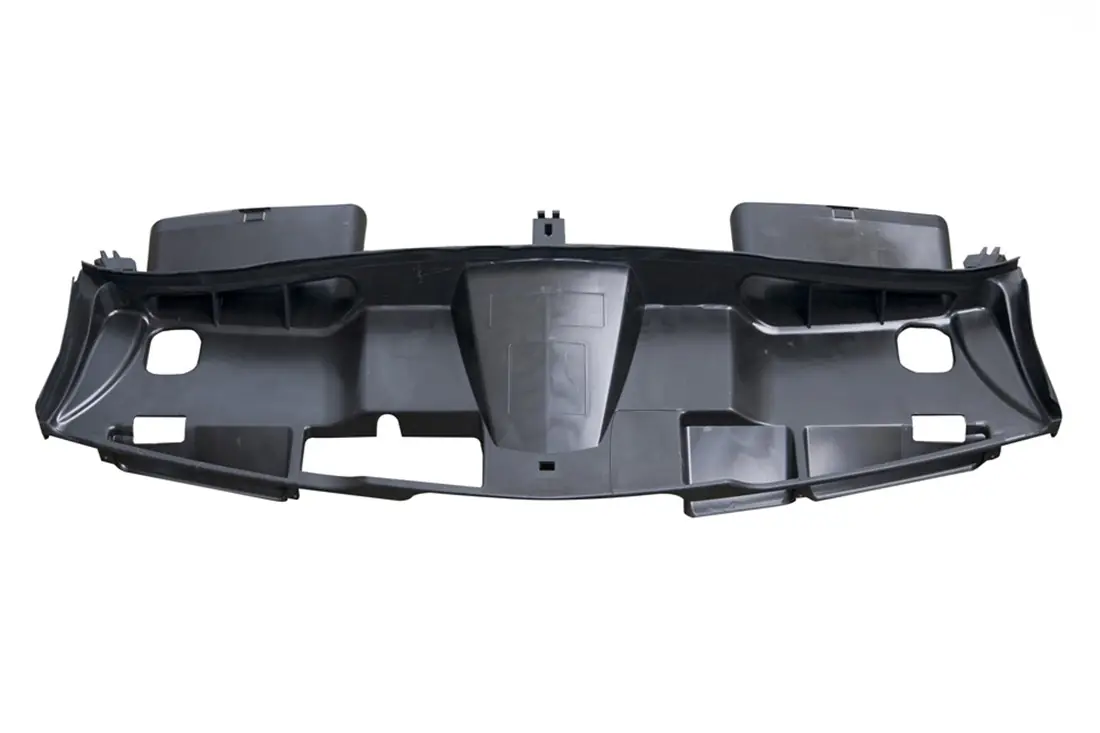
Cold air intake

  • Tool size: 1160 x 800 x 980 mm

  • Tool weight: 5800 kg


Technical features

Complex 2K gate valve tool with 3 hydraulic gate valve units, 5 hydraulic core pulls and additional comprehensive slider technology.
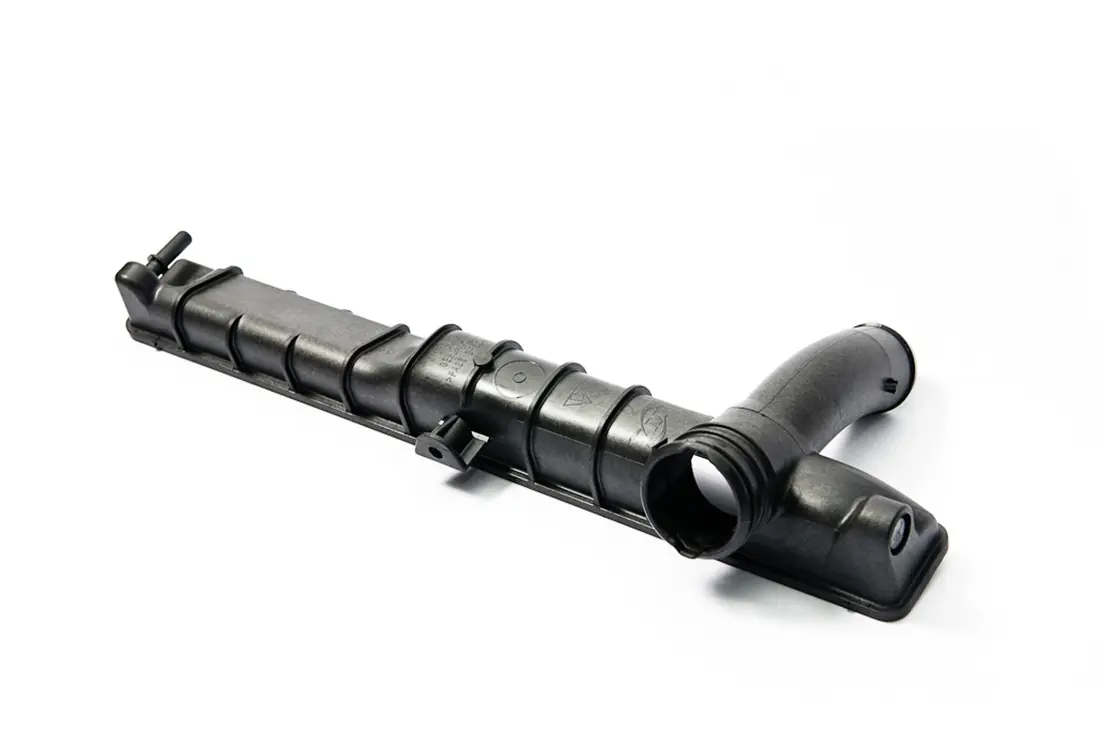
 

Internal water tank

  • Tool size: 1140 x 850 x 790 mm
  • Tool weight: 7500 kg


Technical features

Complex 1+1 injection mould with 20 sliders, as well as slider-in-slider systems and 2 rotating cores with conformal cooling (insertion using lasercusing). Mould removal is primarily carried out mechanically using 2 separation levels.
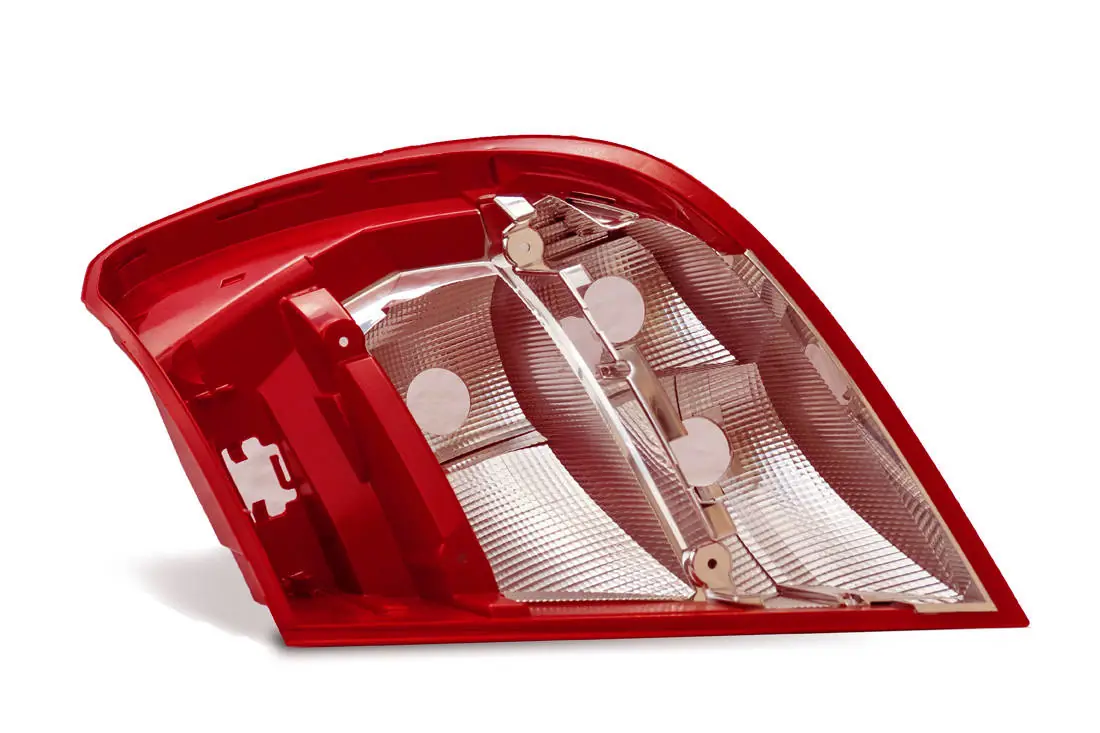
Reflector housing

  • Tool size: 1110 x 900 x 950 mm
  • Tool weight: 7200 kg


Technical features

1+1 injection mould with HSC milled optical reflection surfaces, six hydraulic core pull systems, a second separation level and overmoulded insert components.
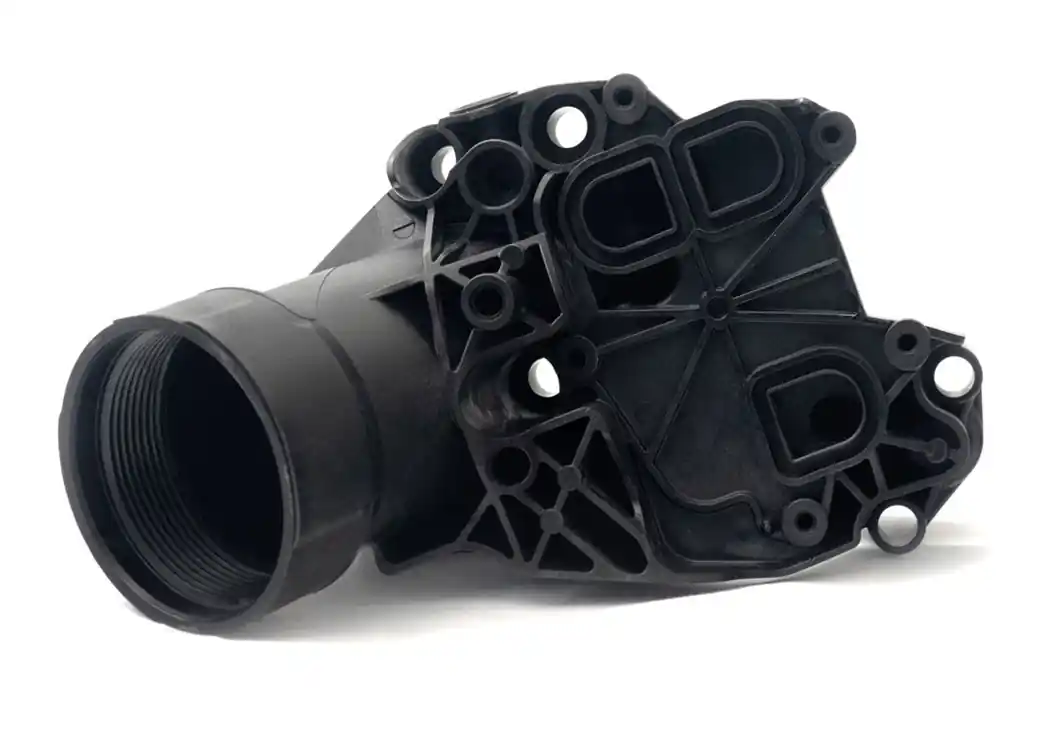
Base oil filter housing

  • Tool size: 896 x 850 x 1530 mm
  • Tool weight: 9200 kg


Technical features

Complex injection mould with 8 hydraulic core pulls, hydraulic spindle extraction unit as well as intensive cooling up to the smallest cores using lasercusing inserts and STM steel.

Housing

  • Tool size: 900 x 600 x 650 mm
  • Tool weight: 3300 kg


Technical features

Single injection mould with slider-in-slider system and additional indirect hydraulic core pull with wedge guide. 2 hydraulic and 4 mechanical sliders as well as two indirect core pulls, one on the ejector side and one on the nozzle side.

Do you have any questions?
We will resolve your issue.

We achieve complex 3D plastic solutions with precise, innovative and efficient methods.

Our core expertise: Multi-component moulds, high gloss and design components, reverse injection moulding and stack moulds. We have earned our expertise through experience.
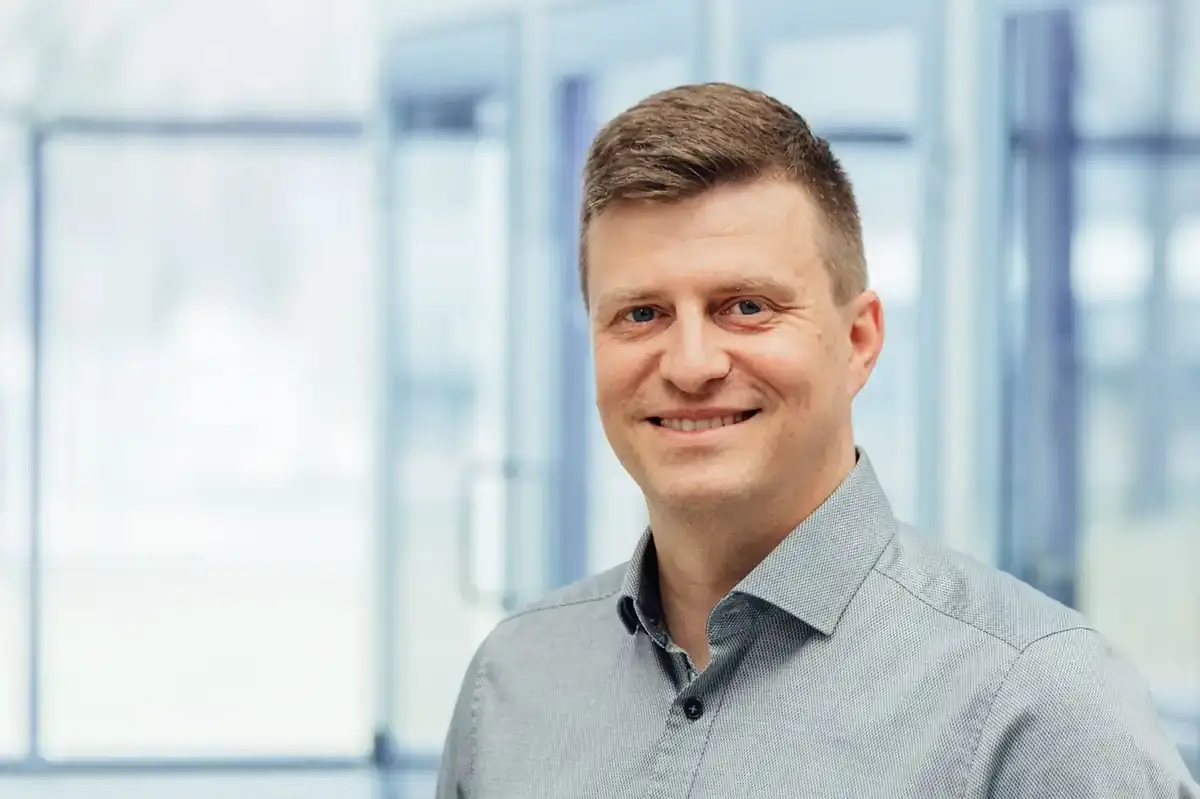
Your contact for injection mould engineering

Peter Hofmann
Deputy Division Manager


Phone:  +49 3628 734-0

Satisfied customers

Phone

Any questions? We are just a call away!

Mail

You've got a message for us? Just send a  message !

Service Hotlines

Bereich Sondermaschinenbau
+49 3628 734-260

Bereich Werkzeugbau
+49 3628 734-2